
The EU’s internal resilience increasingly depends on its ability to exercise foreign policy effectively. With the global climate and energy transition now widely recognised as a security, economic and geopolitical issue, the EU’s foreign policy strategy cannot afford to sideline climate policy.
The EU has recognised that a more strategic approach to foreign policy is required, to meet a more conflictual and competitive geopolitical context with a more unified, autonomous response. However, its foreign policy agenda does not yet systematically reflect how central climate and the clean transition have become to many of the questions the EU faces – in the same way that its energy and industrial policy agendas now position the clean transition as core to Europe’s competitiveness.
This gap represents a strategic liability that risks weakening EU security and influence in the world. A foreign policy approach that supports the EU’s ambitions for autonomy, resilience and competitiveness must now have climate at its core.
Climate and energy are increasingly shaping Europe’s security environment
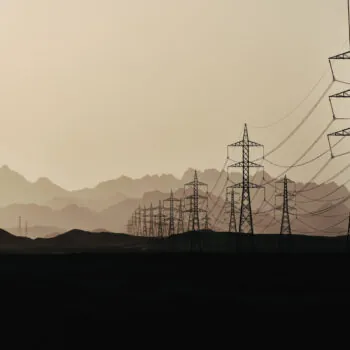
Energy systems and supply chains are being increasingly weaponised in conflict, as seen in the war in Ukraine and the conflict affecting the Strait of Hormuz. Aside from impacts on civilians and the economy, disruptions to fuel supplies can hinder defence capabilities.
These impacts are compounded by the effects of global warming. Extreme heat and wildfires are intensifying with each year; extreme heat cost the EU €180 billion in 2026 alone, and climate change poses an increasing threat to military readiness.
The global energy transition raises new security and foreign policy questions
The benefits of clean energy systems include reduced dependence on global fossil fuel supply chains and more resilient, distributed energy systems. However, reliance on concentrated supply chains for critical raw materials and technologies central to the transition brings its own vulnerabilities.
Additionally, the EU faces growing competition to shape the global transition. Its ability to translate climate leadership into broader geopolitical influence is increasingly contested and depends on whether it can offer partners credible cooperation while managing strategic dependencies and competition. Europe’s own multilateral rule-setting influence has also weakened since the 2015 Paris Agreement.
Recommendations for the EU’s foreign policy agenda
These times require the EU’s foreign policy to be bolder, grounded in the strategic and security case for climate action, allowing it to approach these questions with greater foresight. This would give the EU the leverage to shape the conditions of the global transition, and help ensure it remains just amid geopolitical fragmentation and growing competition.
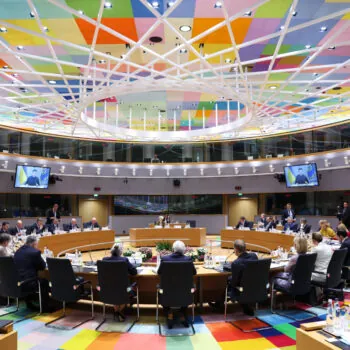
The coming months provide several opportunities for the EU and its Member States to frame climate and the clean transition more consistently as questions of security, economic resilience and geopolitical influence: at the European Council meetings, upcoming summits with Canada and the UK, COP31 and the G20 summit.
We suggest three overarching priorities for action:
- Make climate and energy security a priority of EU foreign policy. Make climate and energy security a regular Foreign Affairs Council agenda item, and build a more integrated EU external strategy across climate, energy, trade, industry and security.
- Make climate a core component of the EU’s broader security and resilience agenda. Integrate climate and energy risks more systematically into the EU’s security architecture, as well as in its defence readiness planning and its partnerships with third countries.
- Adapt the EU’s cooperation strategy and partnership offer for a more competitive context. Link climate cooperation more closely to industrial development, resilient supply chains, adaptation and security, while tailoring offers to partners’ priorities.
Download the briefing for more detailed recommendations