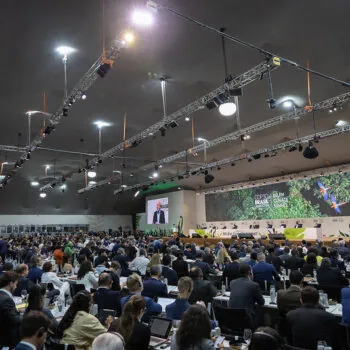

COP30 marked two intense weeks at the end of a tumultuous year that tested climate diplomacy perhaps like never before. Amid the sweltering heat, torrential rains, and very real presence the participants felt in being near the ‘lungs of the Earth’ on the edge of the Amazon, this COP carried special weight.
The outcomes reflected the turbulence of the moment, which must not be underappreciated. But it also sent an important message that multilateralism is still capable of delivering progress, that countries are pushing ahead, and that the real economy is propelling us all forward.
COP official outcomes and real world progress: negotiations and actions
A final ‘packaged deal’ in the negotiation rooms around energy, adaptation, nature, and financing was always going to be hard-fought. The negotiated outcomes demonstrate that not all governments were resolute in pursuing the level of collective ambition required. Climate diplomacy faced extreme tests, with some countries and regions pushing for greater ambition even as others worked to stall progress, or at the least elected not to put enough skin in the very consequential game.
But the Brazilians, as COP presidency, worked to secure agreements that connected both to people and to its promise to accelerate implementation. In reaching consensus in uniting around a global mutirão, countries came together to reaffirm their commitment to the Paris agreement.
A new adaptation finance goal was agreed, as were new voluntary indicators to measure progress around resilience. A Global Implementation Accelerator (GIA) was agreed, as was the Belem Mechanism for Just Global Transition and dialogues around trade and climate.
Likewise, the vibrancy and activity around the Action Agenda and among coalitions of the willing shone a much needed spotlight on real world delivery. Countries signed onto an information integrity declaration to combat climate mis- and dis-information and to work to ensure that governments continue to put science and data as a priority.
This COP was a critical moment to answer the call for a robust response to the shortfall in NDC ambition we have seen this year. Though NDCs are improving in quality and ambition, collectively they remain far from what’s needed to keep warming within the 1.5C limit. Although text addressing the response was watered down, there are hooks to build on within the GIA and the Belem Mission to 1.5C.
The momentum behind the transition away from fossil fuels (TAFF) was undeniable, with over 80 countries and key groups vocally supporting the inclusion of a TAFF roadmap within the final outcome. While consensus was not reached on formal roadmaps for either TAFF or deforestation, the Presidency’s own establishment of these roadmaps represents a necessary step forward.
Where to from here: The road ahead to COP31
The gap between what has been agreed and what the science requires remains significant. The recent G20, for example, was one step forward in demonstrating continued support and relevancy of multilateralism and climate action. Brazil will have much work to do in driving action and clarity in the days ahead, including on the many roadmaps and other initiatives that are in play for follow-on engagement, and in working with committed partners to show that these efforts are greater than the sum of their parts.
As we look toward next year, Türkiye and Australia will also play an important yet admittedly logistically complicated role alongside Brazil in ensuring the pathways are prepared throughout 2026, and in fostering the cooperation needed to close the remaining ambition gap. That will mean leading together on reducing emissions and finding a path to phase out fossil fuels, accelerating financing including for adaptation, strengthening and reforming the financial architecture, and ensuring governance and accountability to build a climate system fit for the future.
As the Paris Agreement commemorates its tenth anniversary, it is only natural that we all push to ensure that global cooperation itself matures, evolves, and is able to meet the headwinds as well as solidify global commitment to driving real action and impact. The foundations are there. The political will must accelerate and the means of collaboration must adapt so that the next phase of action can drive the change the world must see.